


In today’s rapidly evolving world, the design industry is constantly seeking innovative ways to create captivating and personalised experiences for consumers. One technology that has emerged as a game-changer is Artificial Intelligence (AI). With its ability to analyse vast amounts of data, recognise patterns, and generate unique solutions, AI has found its way into various sectors, including design. In this blog, we will explore how AI technology is reshaping the design industry, with a specific focus on its application in Paper Voice, a leading design company at the forefront of this transformative trend.
Traditionally, the design process required considerable time and effort to brainstorm ideas, iterate through numerous prototypes, and refine designs. AI technology is changing the game by offering tools and algorithms that can augment human creativity and efficiency. Paper Voice harnesses the power of AI to automate repetitive tasks, allowing designers to focus on the more strategic and creative aspects of their work.
AI-driven design tools can analyze vast design databases, identify design patterns, and generate novel ideas based on existing concepts. By quickly exploring numerous design variations and possibilities, designers can efficiently refine their work and deliver high-quality designs in shorter timeframes.

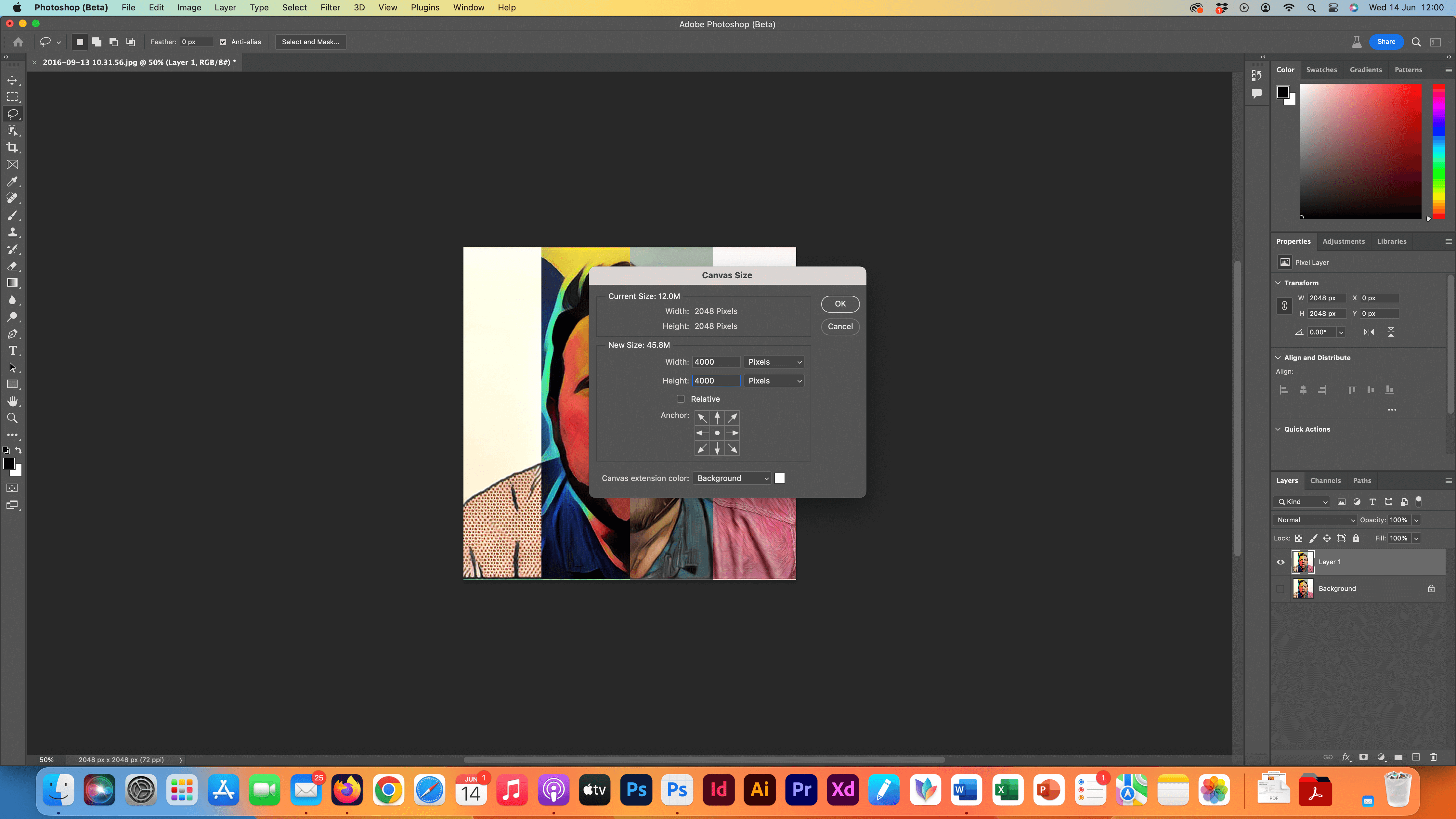
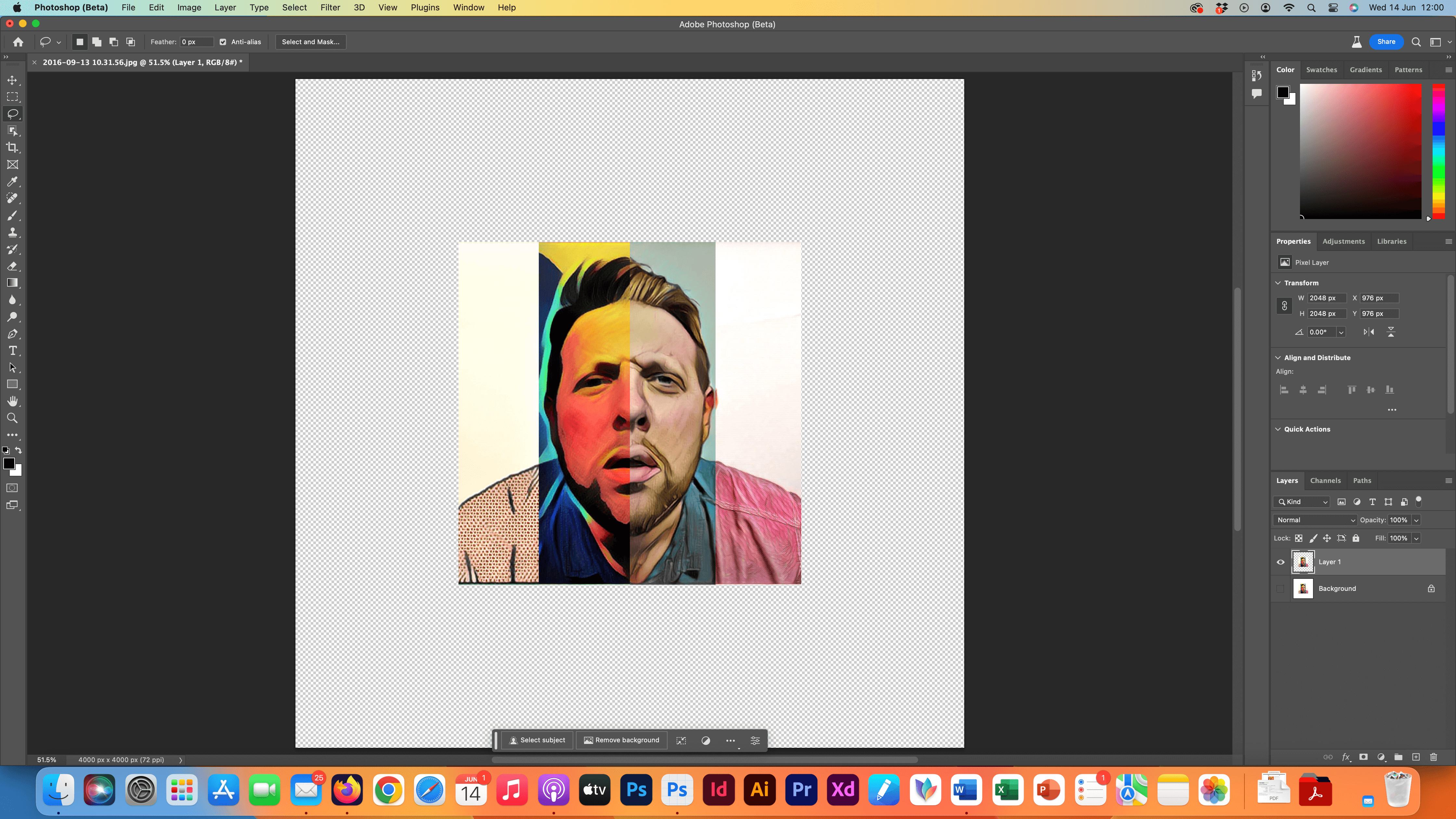
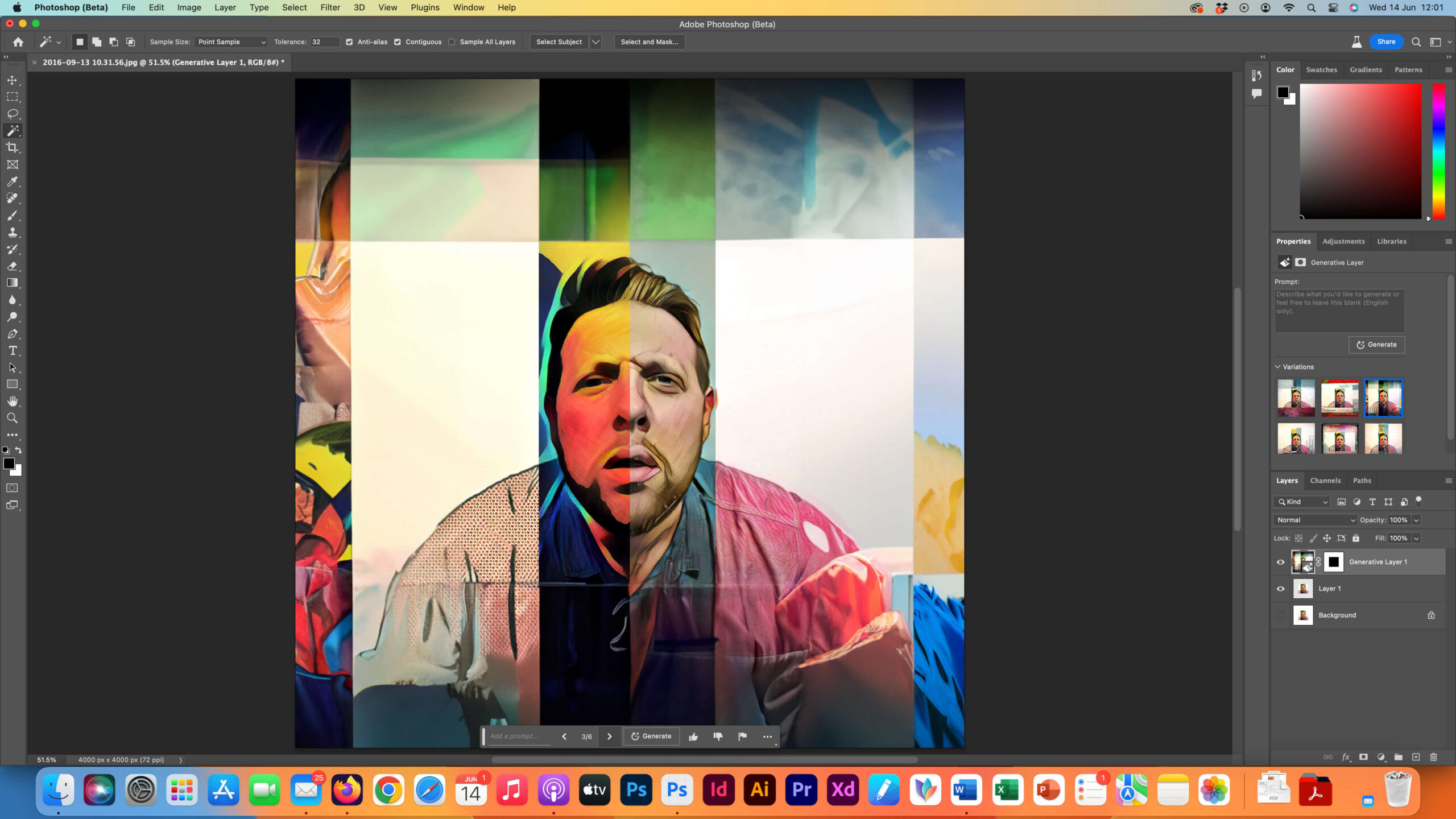
With the introduction of Adobe Photoshop’s latest AI tool, creating stunning works of art has become remarkably convenient, taking mere minutes to accomplish. However, like most AI software, Adobe’s advancements are not without their limitations. While the software excels in many areas, it still struggles to comprehend the intricacies of the “Human Condition.” Certain aspects, such as conveying emotions, capturing accurate facial expressions, and rendering hands, feet, and even teeth, prove to be challenging for the software to replicate convincingly.
Displayed below are several images that were effortlessly generated by providing simple prompts like “Elf drinking a cocktail by a lake,” “Samurai beneath a Cherry Blossom tree,” or “Happy gnomes frolicking in a field.” These compositions showcase the software’s ability to bring imaginative scenes to life. However, it is essential to note that attempting to create a lifelike image or photograph of a real human sitting in an office with a cup of coffee results in outcomes that are best described as unsettling and, therefore, unsuitable for presentation within this blog.





In today’s consumer-centric world, personalisation is key to capturing attention and establishing a meaningful connection with customers. AI technology enables design companies like Paper Voice to deliver personalized design experiences at scale. By leveraging machine learning algorithms, AI can analysse user preferences, behaviour, and demographic data to generate tailor-made designs that resonate with individual customers.
AI can adapt designs based on feedback, incorporating personalisation elements that align with the client’s brand identity and target audience. This level of customisation not only enhances customer satisfaction but also drives engagement and brand loyalty.
Effective collaboration and streamlined feedback processes are essential in the design industry. AI technology facilitates seamless communication and collaboration between designers, clients, and stakeholders.
AI algorithms can analyse feedback from clients and stakeholders, identify recurring themes, and suggest actionable improvements. This intelligent feedback system promotes effective communication, minimizes misunderstandings, and expedites the design iteration process. Designers can receive real-time insights and make data-driven decisions, resulting in designs that align closely with client expectations.
As AI technology continues to advance, its impact on the design industry is poised to grow exponentially. The integration of AI with emerging technologies like augmented reality (AR) and virtual reality (VR) opens up new avenues for immersive design experiences. AI algorithms can generate designs optimized for AR/VR environments, allowing users to visualize and interact with designs in virtual spaces before they are physically implemented.
However, as with any emerging technology, ethical considerations come into play. Design companies must ensure that AI technology is leveraged responsibly, respecting privacy rights and avoiding biases. Paper Voice understands the importance of ethical AI implementation and actively works towards transparency, fairness, and inclusivity in its design processes.





AI technology is revolutionising the design industry, offering enhanced creativity, efficiency, and personalised design experiences. Paper Voice is at the forefront of this transformative trend, harnessing the power of AI to streamline workflows, deliver tailored designs, and foster effective collaboration. As AI continues to evolve, the possibilities for the design industry are endless, and responsible integration of this technology will play a vital role in shaping the future of design
Paper Voice understood exactly what I was looking for and “Howe” I want me and my business to appear to the outside world. It is important for an HR company to portray a good first impression whist looking professional and approachable in one go.
I am extremely pleased with the finished product and can highly recommend Paper Voice to provide a professional and high quality service to any other business owner who needs to develop a quality website.

I’ve worked with Steve on several projects to supply photography for his amazing web design work. He is meticulous in his design, extremely creative and always has new and interesting ideas.
Without a doubt the best web designer I’ve worked with.


 Optimized by Seraphinite Accelerator


